High-volume specialists
Experienced eye teams work at scale. Selected published benchmarks put postoperative endophthalmitis after cataract surgery at about 0.02% and retinal detachment after lens replacement at about 0.2%.*
For patients worldwide, cataract surgery and RLE are coordinated with precision biometry, premium IOL options and high-volume eye specialists in one China pathway.
* Indicative prices; suitability and lens choice follow assessment.
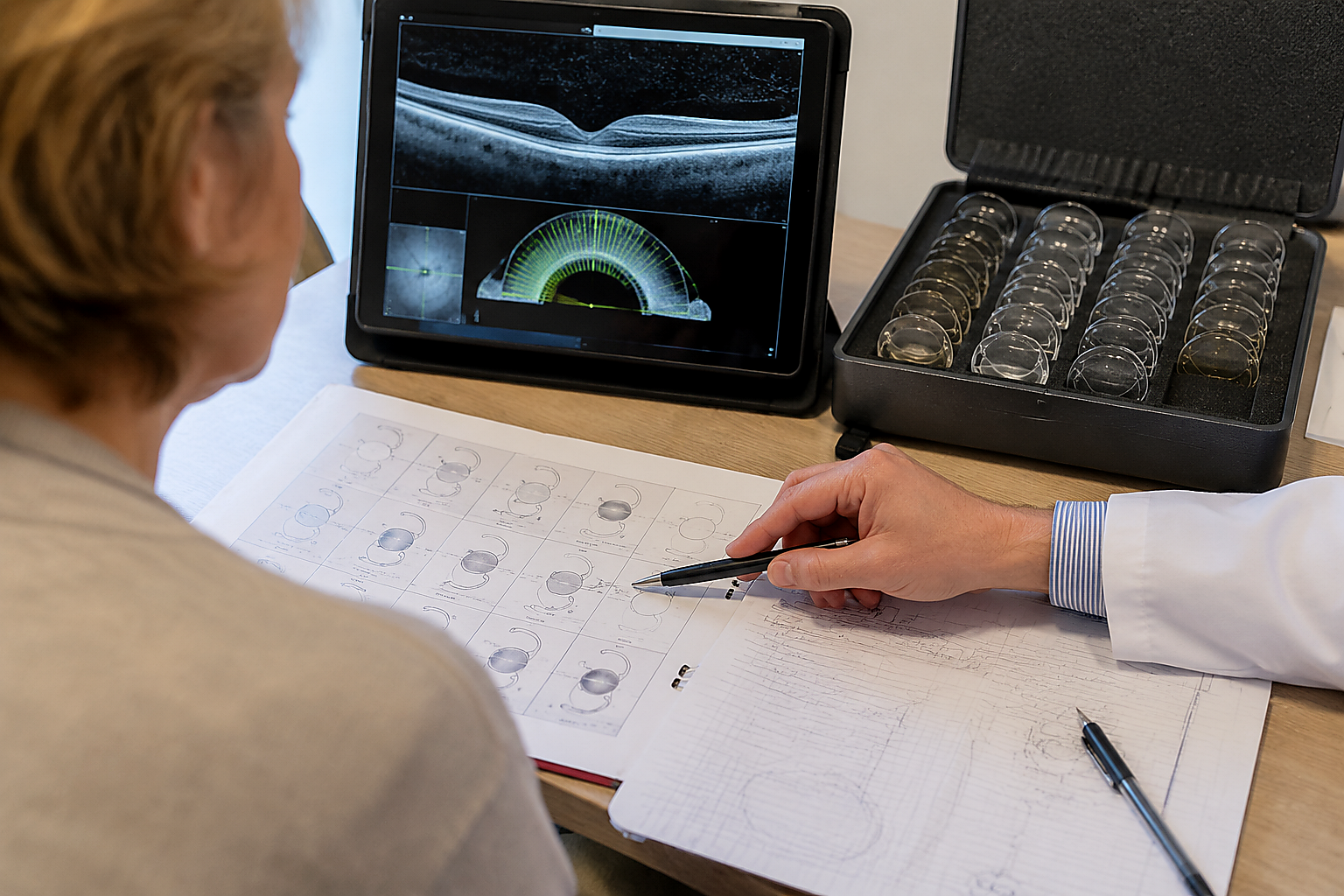
High-volume specialist practice, efficient hospital pathways, established premium lenses and protection designed for international patients.
Experienced eye teams work at scale. Selected published benchmarks put postoperative endophthalmitis after cataract surgery at about 0.02% and retinal detachment after lens replacement at about 0.2%.*
Assessment, biometry, lens confirmation, surgery and early review are coordinated in one clinical pathway without skipping the checks that protect the result.
Internationally established monofocal, toric, EDOF and multifocal options can be selected around your eyes and visual priorities, at a lower system cost.
Eligible patients may receive cover for approved complication treatment after returning home, subject to insurer confirmation and formal policy issuance.
* Published reference figures; individual risk varies.
Both procedures replace the natural lens with an intraocular lens. Your symptoms, lens clarity, eye health and treatment goal determine which route may fit.
RLE may suit selected adults with presbyopia, higher hyperopia or a multi-distance vision goal. Common signs include repeatedly changing reading glasses, holding a phone or menu farther away, and struggling to switch focus between near and far.
Clinical fit: the natural lens is clear or only mildly changed, while the cornea, retina, optic nerve, eye pressure and axial length support lens replacement. The ophthalmologist must judge RLE more appropriate than continuing with glasses, contact lenses or corneal laser treatment.
View RLE details →Cataract symptoms can include hazy or blurred vision, glare, poor night driving, faded colours and frequent prescription changes that no longer restore useful clarity.
Clinical fit: examination confirms lens opacity that matches the loss of visual function and affects everyday tasks such as driving, reading or work. The ophthalmologist confirms the diagnosis, timing and refractive target.
View cataract details →* Patients purchase directly from the insurance provider and manage any claims themselves. MediConnex receives no commission. Eligibility and policy terms apply.
Send recent eye records and tell us where glasses get in the way. We will organise an initial provider review and explain what must still be measured in China.